Gas line installation cost in Concord comes down to five things: how far the line runs, what size pipe the appliance needs, how easy the route is to reach, whether the line goes outdoors or underground, and whether your existing gas system has to be upsized. A hookup where a valve already sits behind the stove is a small job. A new run to a tankless heater or an outdoor kitchen is a bigger one.
Why This Matters
Gas line work is not a place to cut corners. The pipe has to be sized so every gas appliance in the house gets enough fuel at the same time. Every joint has to be sealed and tested. And most new gas work in North Carolina needs a permit and an inspection.
Knowing what drives the price helps in two ways. You can plan the project before you buy the appliance. And when a quote comes in, you can tell whether it covers the whole job or leaves out the parts that matter, like the pressure test and the permit.
If you smell gas or hear hissing near a gas pipe, leave the house now. Do not flip switches or use your phone inside. Call your gas company or 911 from outside, then call a plumber once the gas company has made it safe.
The Common Jobs
Most gas line work in Concord, Harrisburg and Kannapolis homes falls into one of these:
- A gas range or cooktop. Often a switch from electric, or a new kitchen layout.
- A gas dryer. Usually a short run in the laundry room or garage.
- A tankless water heater. Tankless units burn far more gas while running than a tank, so the line often needs to be bigger.
- An outdoor grill, fire pit or outdoor kitchen. A fixed line ends propane tank swaps but means routing outside and sometimes digging.
- A gas fireplace or log set. A line to the living room, often through a crawl space.
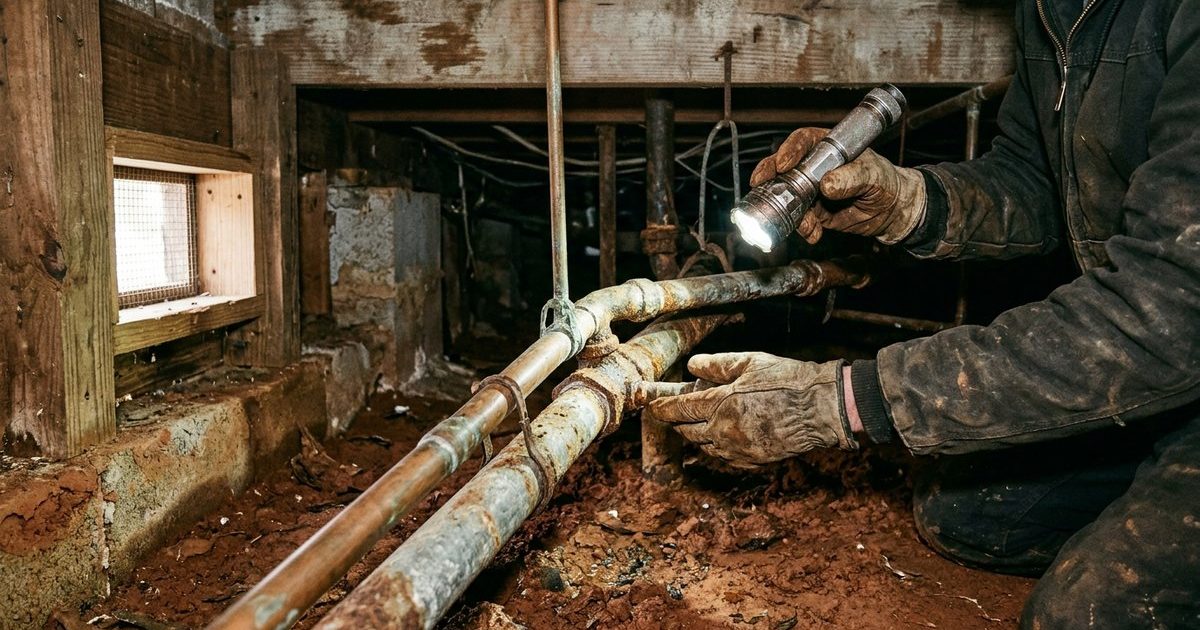
- Repair or replacement of old pipe. Rusted pipe in a damp crawl space, or a line damaged during other work.
Here is roughly how long each kind of job takes on site:
| Job | Typical time |
|---|---|
| Appliance hookup on an existing line | 1 to 2 hours |
| New line to one indoor appliance | Half a day |
| Outdoor grill or fire pit line | Half to a full day |
| Upsizing a line for a tankless heater | About a full day |
Time on site is one of the biggest parts of the price, so these give you a rough sense of scale.
Five Things That Set the Price
1. Length of the Run
The farther the appliance is from the main gas line, the more pipe and labor the job needs. A dryer next to the water heater is a short run. A range on the far side of the house, or a grill at the back of the patio, takes more.
2. Pipe Size
Every gas appliance has a rating for how much gas it uses. We add up the ratings for everything in the house, the furnace, water heater, range, dryer and fireplace, then size the pipe to feed them all at once. A high-demand appliance like a tankless water heater often needs larger pipe than the line already in place. Larger pipe costs more and takes more work to run.
3. Access
An open crawl space is the easiest route. Many local homes sit on crawl spaces, which helps. Finished basements, finished ceilings, slab foundations and tight crawl spaces all add time, and sometimes mean opening and patching a wall.
4. Indoor or Outdoor
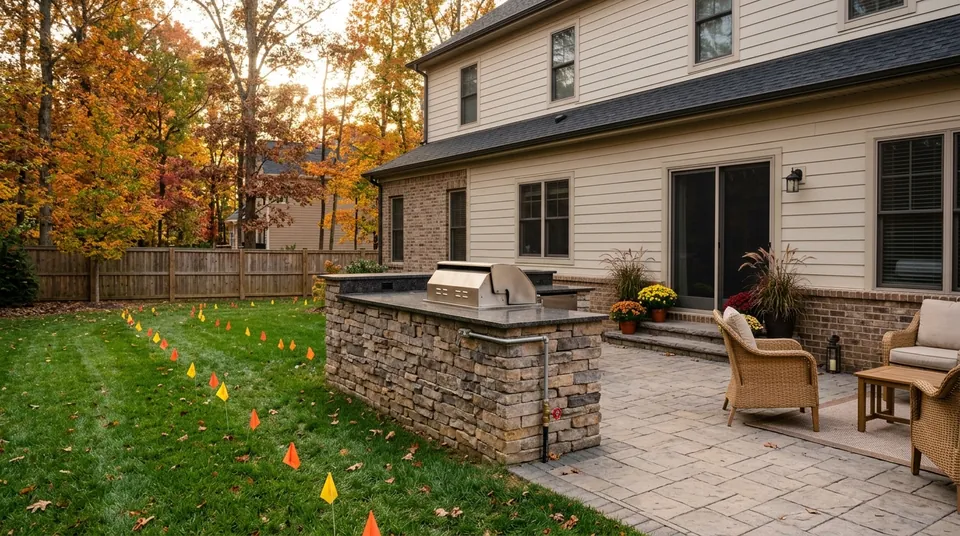
Outdoor lines need weather-rated routing and a shut-off valve where the line ends. A line to a grill or fire pit across the yard usually goes underground, which means a trench, the right buried pipe and backfill.
Before any digging, the buried utility lines in the yard have to be located and marked. In North Carolina that is done through NC811, which asks you to contact 811 three working days before you plan to dig and marks publicly managed lines for free (NC811). Build those days into your timeline.
5. Upsizing the Existing System
Sometimes the new line is not the problem. The old one is. If the pipe from the meter was sized years ago for a furnace and a small water heater, adding a tankless heater or a big range can starve every appliance in the house. Burners that flicker or burn low when another appliance is running are a sign of this. Fixing it means replacing part of the existing run with larger pipe, which adds to the job.
The Permit and the Pressure Test
Most new gas line work needs a permit and an inspection once the line is in. The local building inspections office issues the permit, and it differs between Cabarrus, Rowan, Iredell and Mecklenburg Counties. A good quote includes the permit and tells you who pulls it.
Every new or repaired line also gets a pressure test before gas goes in. The line is closed off, pressurized and watched on a gauge for a set time. If the pressure drops, something is leaking, and the joint is found and fixed before anything else happens. Only then is the gas turned on, the appliance lit and the flame checked.
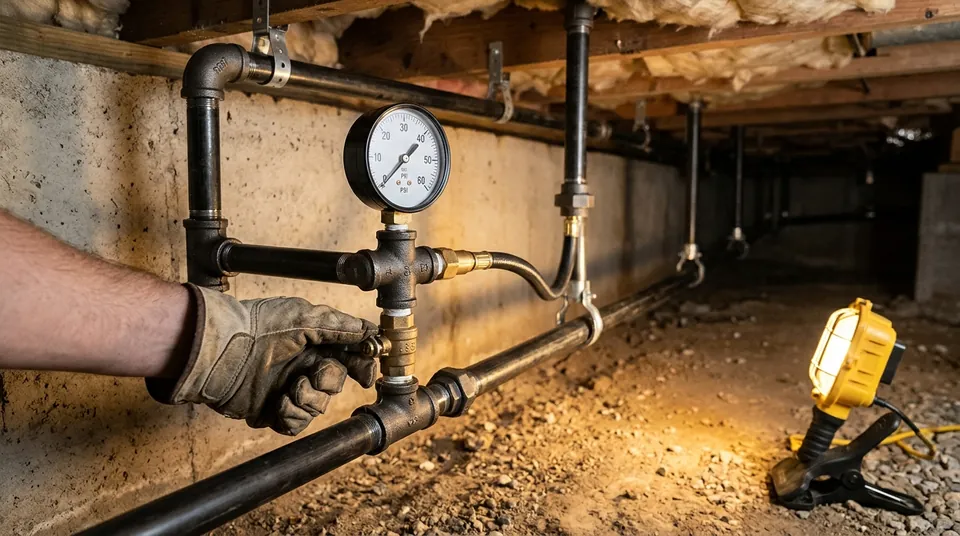
If a quote does not mention a pressure test or a permit, ask. Those two steps are what make the line safe and legal.
What a Fair Quote Should Include
When you compare quotes for a new gas line, look for:
- The appliance or appliances the line will feed
- The route, and whether any walls or ceilings will be opened
- The pipe type and size, and whether any existing pipe will be upsized
- A shut-off valve at the new appliance
- A pressure test before the gas is turned on
- The permit and county inspection, and who arranges them
- Hookup and lighting of the appliance, if that is part of the job
- Trenching and backfill for any buried line
Red Flags in a Low Quote
- No mention of a permit, or a suggestion that you skip it
- No pressure test
- Flexible connectors run through walls or floors, where they do not belong
- No load calculation, just "it should be fine"
- An unlicensed installer. Gas piping in North Carolina should be done by a licensed contractor. Ask for the license number. Ours is 37106.
Natural Gas or Propane
Most homes in Concord and Kannapolis that have gas are on natural gas from a meter. Many rural homes around Landis, Rockwell and the edges of the county run on propane from a tank in the yard. The house piping works the same way for both, but the details change.
- Natural gas. The line starts at the meter. The utility owns the meter and the service line to it, and the homeowner's piping starts after it.
- Propane. The line starts at the tank and its regulator. The propane supplier usually owns or services the tank, and some appliances need a conversion kit to burn propane.
Converting an appliance from one fuel to the other, or adding a big appliance to a propane system, can mean talking to the supplier about tank size and regulator capacity. We sort out the house side and tell you what to ask them.
If you are not sure which you have, look outside. A meter on the side of the house means natural gas. A large white or gray tank in the yard means propane.
When to Call a Licensed Plumber
Safe to Do Yourself
- Choose the appliance and check its gas rating on the spec sheet
- Decide where the appliance will go and measure the distance to your water heater or furnace
- Contact NC811 before any digging in the yard
- Check whether your home is on natural gas or a propane tank
Call a Plumber For
- Running, extending or upsizing any gas line
- Connecting a new gas appliance where there is no valve
- Rusted or damaged gas pipe
- Burners that burn low when other appliances run
- Any smell of gas, after the gas company has made the home safe
On propane, we work on the house side of the system and tell you when your propane supplier needs to be involved.
Get a Gas Line Estimate in Concord
Shield Plumbing is a family-owned, licensed plumber based in Landis, serving homes in Concord, Harrisburg, Kannapolis, Mooresville and the towns around them. Our gas line piping service covers new lines for ranges, dryers, fireplaces, grills and tankless heaters, plus repairs to old pipe. If you live in Concord, see gas line installation in Concord. Planning a tankless upgrade? Our tankless water heater installation page explains how the gas line fits into that project.
Call or send us a message with the appliance you are adding and where it will go. You get the plan and an estimate before any work starts.